Bifold Doors vs. Sliding Doors: Which Is Right for Your Home?
When it comes to selecting between bifold doors and sliding doors, homeowners face a significant choice. Each option offers distinct advantages designed for varying needs. Bifold doors produce a fluid connection between interior and exterior spaces, while sliding doors provide a streamlined, space-conscious alternative. Recognizing the differences of each can considerably affect the look and practicality of your home. Which choice access resource will truly improve your home's aesthetics and usability? The answer may surprise you.
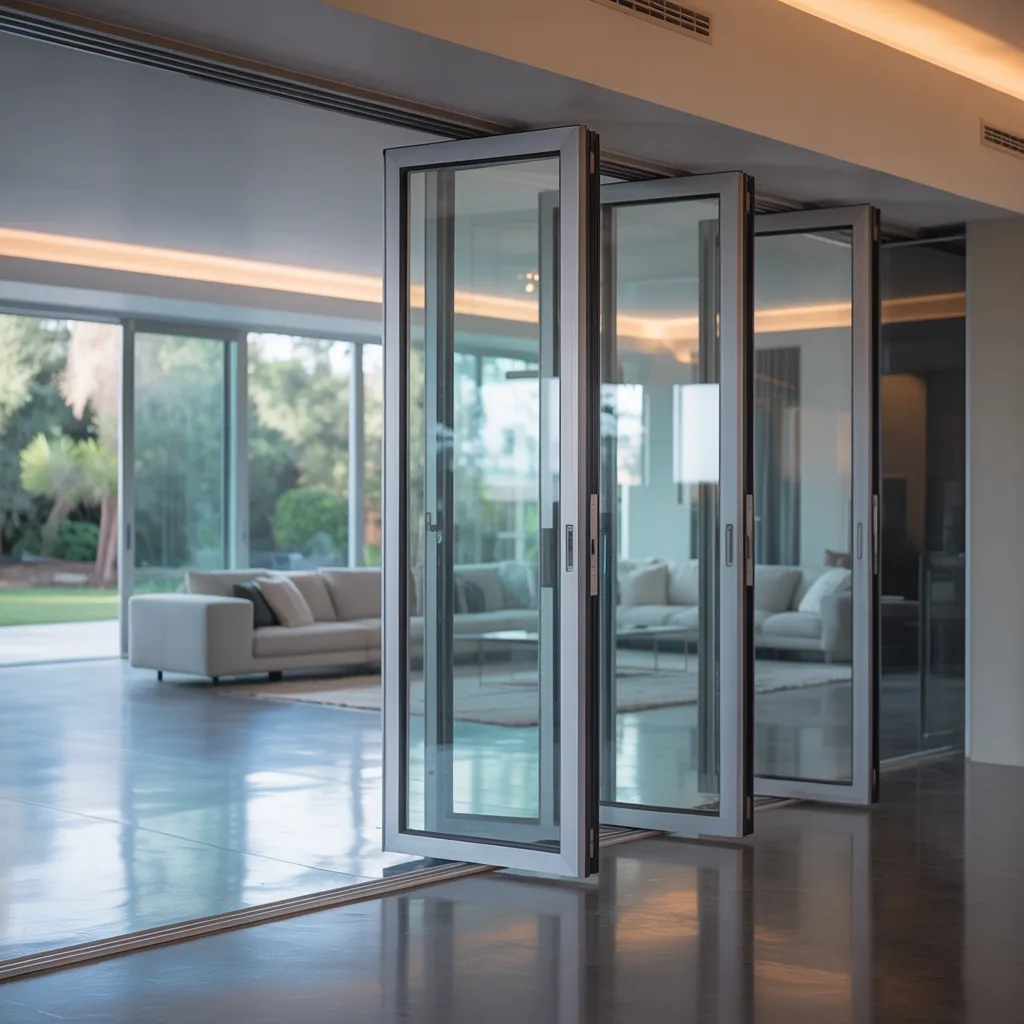
Bifold vs. Sliding Doors: Which Is the Best Choice for Your Space?
When selecting between bifold and sliding doors, what factors should one consider for best functionality and aesthetic appeal? Space availability is a key factor; bifold doors need additional space to open outward, making them a perfect choice for bigger spaces. In contrast, sliding doors move smoothly along a track, needing minimal space, which makes them advantageous for more compact spaces.
The overall style of the home is also a key factor to consider. Bifold doors often offer a more modern look, thanks to their capacity to form expansive openings, boosting the connection between interior and exterior areas. In contrast, sliding doors provide a sleek, minimalist aesthetic that suits contemporary architectural styles.
Durability and maintenance are additional considerations. Bifold doors tend to feature a higher number of moving parts, possibly contributing to more significant wear over time. Meanwhile, sliding doors typically have fewer components, which can simplify upkeep. In the end, the decision between bifold and sliding doors depends on personal requirements, preferences, and the unique attributes of the space involved.
Top Benefits of Bifold Doors
Bifold doors deliver notable advantages for modern spaces, particularly in their space-conscious design. By folding neatly to one side, they establish an open atmosphere that optimizes available space. Additionally, their large glass panels increase natural light flow, illuminating interiors and creating a seamless link with the outdoors.
Space-Optimizing Design Edge
Since homeowners are always searching for ways to optimize their living areas, bifold doors provide an excellent option. The distinctive design enables several panels to fold cleanly against each other, generating a generous opening while eliminating the requirement for a broad swing radius. This capability is especially valuable in tighter spaces where standard doors could obstruct movement or diminish usable room. Bifold doors effortlessly bridge indoor and outdoor spaces, improving the home's overall flow while offering versatility in design arrangements. Additionally, they can be customized to fit various widths and heights, making them suitable for any room. Overall, bifold doors not only save space but also offer an efficient way to enhance both functionality and aesthetics in residential settings.
Improved Natural Light Access
As homeowners seek to brighten their living spaces, bifold doors prove to be an ideal solution for maximizing the flow of natural light into the home. In contrast to conventional sliding doors, which usually incorporate one stationary panel, bifold doors consist of numerous panels that collapse together, producing an expansive opening. This configuration optimizes the entry of natural light, brightening interior spaces with greater efficiency. The wide glass panels enable sunlight to reach further into living spaces, decreasing the dependency on electric lighting during daylight hours. Moreover, when fully opened, bifold doors form an uninterrupted link between inside and outside spaces, further enhancing the overall brightness of the home. This capacity for drawing in natural light not only boosts the aesthetic charm but also promotes a more welcoming environment.
Why Sliding Doors Could Be the Perfect Option for You?
When considering options for maximizing space and aesthetic appeal, sliding doors consistently prove to be a preferred selection for a wide range of homeowners. Their elegant design enables smooth connectivity between indoor and outdoor spaces, improving the overall movement within a home. Compared to standard copyrightd doors, sliding doors do not require additional space to swing open, making them especially beneficial in compact spaces.
Additionally, sliding doors are customizable with numerous materials and finishes, allowing them to complement any architectural style. They also offer wide glass sections, creating unrestricted sightlines and abundant natural light, which may produce a more pleasant ambiance.
From a functional standpoint, sliding doors are commonly easier to handle, calling for very little effort to operate. This ease of use, alongside their aesthetic advantages, makes sliding doors a compelling choice for those looking to enhance both the functionality and beauty of their living spaces.
Comparing Space Efficiency: Bifold vs. Sliding
Sliding doors excel in space efficiency, but bifold doors offer a strong alternative for homeowners seeking to open up their spaces. Sliding doors function on a rail system, allowing one panel to glide past another, demanding minimal space when fully opened. This makes them perfectly suited for smaller areas where saving space is a priority.
By comparison, bifold doors are comprised of multiple panels that fold back on each other. When fully extended, they create a wider passageway, which can enhance the transition between indoor and outdoor living areas. However, this configuration requires more floor space to account for the folding action, which may be a consideration in limited areas.
When everything is taken into account, the ultimate choice regarding bifold versus sliding doors is determined by the individual preferences of the resident. Homeowners who prefer expansive views and generous access points might gravitate toward bifold doors, while those valuing effortless performance in limited spaces could benefit more from a sliding door solution.
Cost Comparison: Bifold vs. Sliding Doors
Cost is a significant factor for households considering bifold doors or sliding doors, with each option presenting distinct financial implications. Generally, bifold doors usually come at a higher cost because of their sophisticated mechanisms and the necessity of high-quality materials to secure smooth operation. Setup costs can also be higher, requiring experienced professionals for exact fitting.
In contrast, sliding doors frequently carry a more affordable price, making them a more budget-friendly option. The straightforward construction generally leads to reduced installation costs. Nevertheless, homeowners should consider possible future costs, such as thermal performance and the likelihood of needing repairs or component upgrades.
Overall, while bifold doors provide a aesthetically pleasing and flexible solution, sliding doors can present a more cost-effective choice at the outset. Considering both starting costs and future financial implications is essential for homeowners to come to a thoughtful determination based on their financial situation and personal preferences.
Durability and Maintenance: Which Option Has a Longer Lifespan?
Upkeep and longevity are important factors for homeowners evaluating bifold and sliding doors. Bifold doors, typically made from wood or aluminum, require routine upkeep to minimize damage on copyrights and tracks. Homeowners must guarantee the mechanisms are lubricated and check for any signs of rot or damage, particularly in timber variants. In contrast, sliding doors typically feature a more straightforward construction with fewer moving parts, which can lead to reduced upkeep requirements. However, the tracks can collect grime and particles, necessitating periodic cleaning to guarantee smooth operation.
In terms of durability, both types of doors can endure for many years with proper maintenance. Bifold doors are often more prone to the effects of environmental exposure, whereas sliding doors commonly demonstrate greater resilience against weather conditions. Ultimately, the choice between bifold and sliding doors should consider individual lifestyle, maintenance preferences, and the specific material used in the door's construction.

Answers to Your Most Common Questions
How Do Bifold and Sliding Doors Affect Home Energy Efficiency?
Bifold doors generally improve energy performance by delivering improved insulation and decreased air infiltration, while sliding doors can lead to greater heat loss as a result of their expansive openings. Overall, bifold doors often provide superior thermal performance.
Am I Able to Install Bifold or Sliding Doors by Myself?
Installing sliding or bifold doors independently is feasible for those with DIY skills. That said, precise measurements, proper tools, and compliance with installation guidelines are necessary to guarantee functionality and sustain energy efficiency in the household.
What Are the Ideal Materials for These Door Categories?
When it comes to bifold doors, wood or aluminum of superior quality is advised owing to their long-lasting nature and attractive appearance. Sliding doors commonly function optimally with frames made of vinyl or aluminum, offering resistance to weather and simple upkeep while guaranteeing seamless functionality.
How Do I Select Between Glass and Solid Panels?
Deciding between glass or solid panels is based on aesthetic preferences, natural light, and privacy needs. Glass panels improve openness and brightness, while solid panels offer insulation and soundproofing, addressing different preferences and functional needs in a home.
Which Are Better for Small Spaces, Bifold or Sliding Doors?
Bifold doors are generally better for limited spaces, as they open fully and create a smooth connection between inside and outside. Sliding doors, while practical in terms of space, fail to deliver the same expansive opening as bifold door solutions.